

Author: Vaidya Dhyan Prakash Tripathi (Ayurvedacharya – BAMS, 40+ Years of Clinical Experience) Last Updated: July 2026 ⚠️ Medical Disclaimer:This article is intended solely for educational and public health awareness purposes. It is not a substitute for professional medical advice, diagnosis, or treatment. Always consult a qualified physician or gastroenterologist for any liver-related concerns or diagnostic evaluations. Table of Contents The Rising Strain of Desk Jobs on Liver Health Across major urban centers, working professionals—particularly those in demanding IT and corporate roles—are increasingly struggling with fatty liver disease. Sitting at a desk for 8 to 10 hours continuously, limited physical activity, chronic workplace stress, disrupted sleep patterns, and frequent consumption of processed foods are putting an unprecedented strain on liver function. Fatty liver is no longer confined to heavy alcohol consumption; it has evolved into a primary lifestyle-driven medical concern among young working adults. What Is MASLD? (Modern Fatty Liver) Medical consensus now uses the term MASLD (Metabolic Dysfunction-Associated Steatotic Liver Disease)—formerly categorized as NAFLD (Non-Alcoholic Fatty Liver Disease)—to describe fatty liver driven by metabolic factors. How It Develops When daily intake of refined carbohydrates, ultra-processed foods, and trans fats exceeds the body’s daily energy expenditure, excess calories accumulate as fat droplets inside liver cells (hepatocytes). Left unmanaged over time, this fat accumulation leads to localized cellular damage and tissue inflammation. Research Insights: IT Sector Study by AIG Hospitals To analyze the direct correlation between modern desk jobs and hepatic metabolic changes, leading medical researchers conducted a clinical study on working corporate professionals. Primary Research Institute: Key Findings from the Study: The clinical investigation evaluated 345 IT professionals and highlighted significant metabolic shifts caused by prolonged sedentary work environments: Takeaway: The combination of uninterrupted sitting, chronic mental stress, and irregular sleeping patterns increases the risk of hepatic fat accumulation by 3 to 4 times in desk-bound workers. The 4 Stages of Liver Damage Understanding Lean Fatty Liver A common misconception is that fatty liver only affects individuals who are noticeably overweight. Lean Fatty Liver (or “Thin Fatty Liver”) occurs in individuals with a normal Body Mass Index (BMI) who carry visceral fat surrounding their internal abdominal organs. Self-Assessment Screening Questions: If you answered yes, routine liver screening is advisable regardless of overall body weight. 4 Essential Lifestyle Habits for Desk Workers 1. The 60-Minute Micro-Break Rule Avoid sitting continuously for over 60 minutes. Stand up and move around for 5 minutes every hour to clear glucose and active triglycerides from the bloodstream. 2. Dietary Adjustments 3. Sleep & Stress Management Prioritize 7 to 8 hours of uninterrupted night sleep. Sleep deprivation and chronic stress elevate cortisol levels, encouraging visceral fat deposition in liver tissues. 4. Target Physical Activity (150 Mins/Week) Engage in at least 150 minutes of moderate-intensity exercise (such as brisk walking, cycling, or swimming) every week. A gradual reduction of 5% to 10% in body weight can clear substantial amounts of liver fat. Recommended Diagnostic Tests Test Name Medical Purpose Liver Function Test (LFT) Evaluates ALT (SGPT) and AST (SGOT) liver enzyme levels Lipid Profile Measures serum triglycerides, total cholesterol, HDL, and LDL levels HbA1c & Fasting Blood Sugar Assesses insulin resistance and long-term glycemic control Abdominal Ultrasound / FibroScan Non-invasively measures liver fat percentage and tissue stiffness Author Biography Vaidya Dhyan Prakash Tripathi – Ayurvedacharya (BAMS) Shree Nath Ayurved Vigyanshala Vaidya Dhyan Prakash Tripathi brings over 40 years of clinical experience in traditional diagnosis (Nadi Parikshan), digestive health, metabolic wellness, and chronic disease management. He is registered under the Ministry of Ayush guidelines and dedicates his practice to promoting evidence-informed, holistic health awareness.
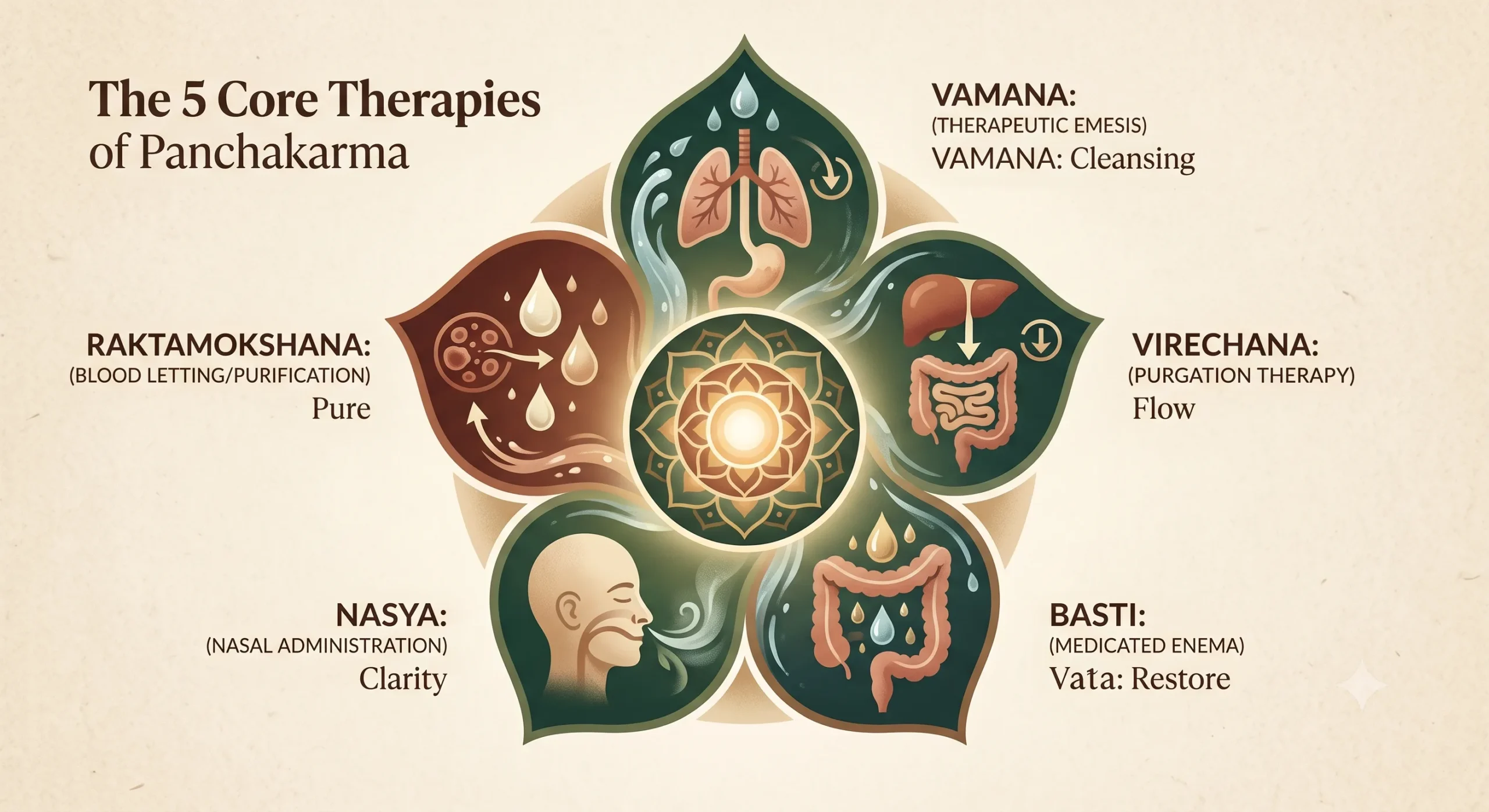
The Role of Panchakarma in Ayurveda: Ultimate Body Detox & Healing
In today’s fast-paced world, our bodies constantly absorb toxins (Ama) from processed foods, stress, pollution, and irregular lifestyles. Over time, these accumulated toxins disrupt our natural balance, leading to fatigue, chronic pain, skin issues, and metabolic disorders. While modern wellness trends focus on surface-level quick fixes, Ayurveda offers a time-tested, deep-cleansing solution: Panchakarma. What is Panchakarma in Ayurveda? The word Panchakarma literally translates to “Five Actions” (Pancha = Five, Karma = Actions/Procedures). It is Ayurveda’s ultimate detoxifying and regenerative therapy designed to cleanse the body of metabolic waste, balance the three fundamental energies or Doshas (Vata, Pitta, and Kapha), and restore natural harmony. Unlike standard spa treatments that only relax the surface muscles, Panchakarma works at a cellular level to draw out deep-seated toxins and eliminate them from the body. The 5 Core Therapies of Panchakarma A complete Panchakarma protocol is customized based on an individual’s unique body constitution (Prakriti) and current health conditions. The five traditional procedures include: Key Benefits of Panchakarma Therapy Authentic Panchakarma Care in Porur, Chennai Panchakarma is not a one-size-fits-all procedure; it requires precise medical supervision and authentic traditional execution to yield safe, maximum benefits. If you are looking for genuine Ayurvedic healing in Tamil Nadu, Ayurshi Ayurveda Panchakarma Centre in Porur, Chennai stands out as a premier destination for holistic health. Expert Care by Dr. D. Aravind Bharadwaj At Ayurshi Ayurveda Panchakarma Centre, treatments are spearheaded by Dr. D. Aravind Bharadwaj, a highly respected Ayurvedic physician. With extensive expertise in classical pulse diagnosis (Nadi Pariksha) and personalized treatment planning, Dr. Bharadwaj ensures that every Panchakarma regimen is tailored specifically to the patient’s body constitution and health goals. Under his expert guidance, the center offers traditional Panchakarma therapies conducted by experienced therapists in a serene, clinical environment. Who Should Get Panchakarma? Panchakarma is highly recommended for anyone experiencing: Even healthy individuals can undergo seasonal Panchakarma detox (ideally during seasonal transitions) to prevent diseases and maintain peak energy levels. Final Thoughts Panchakarma is far more than a wellness trend—it is a profound scientific approach to health, longevity, and self-healing. By addressing the root cause of ailments rather than just suppressing symptoms, Panchakarma offers a pathway to sustainable health. This article is for informational and educational purposes only. Health conditions vary from person to person. Please conduct your own research and consult a qualified Ayurvedic doctor before making any healthcare decisions or starting any treatment.
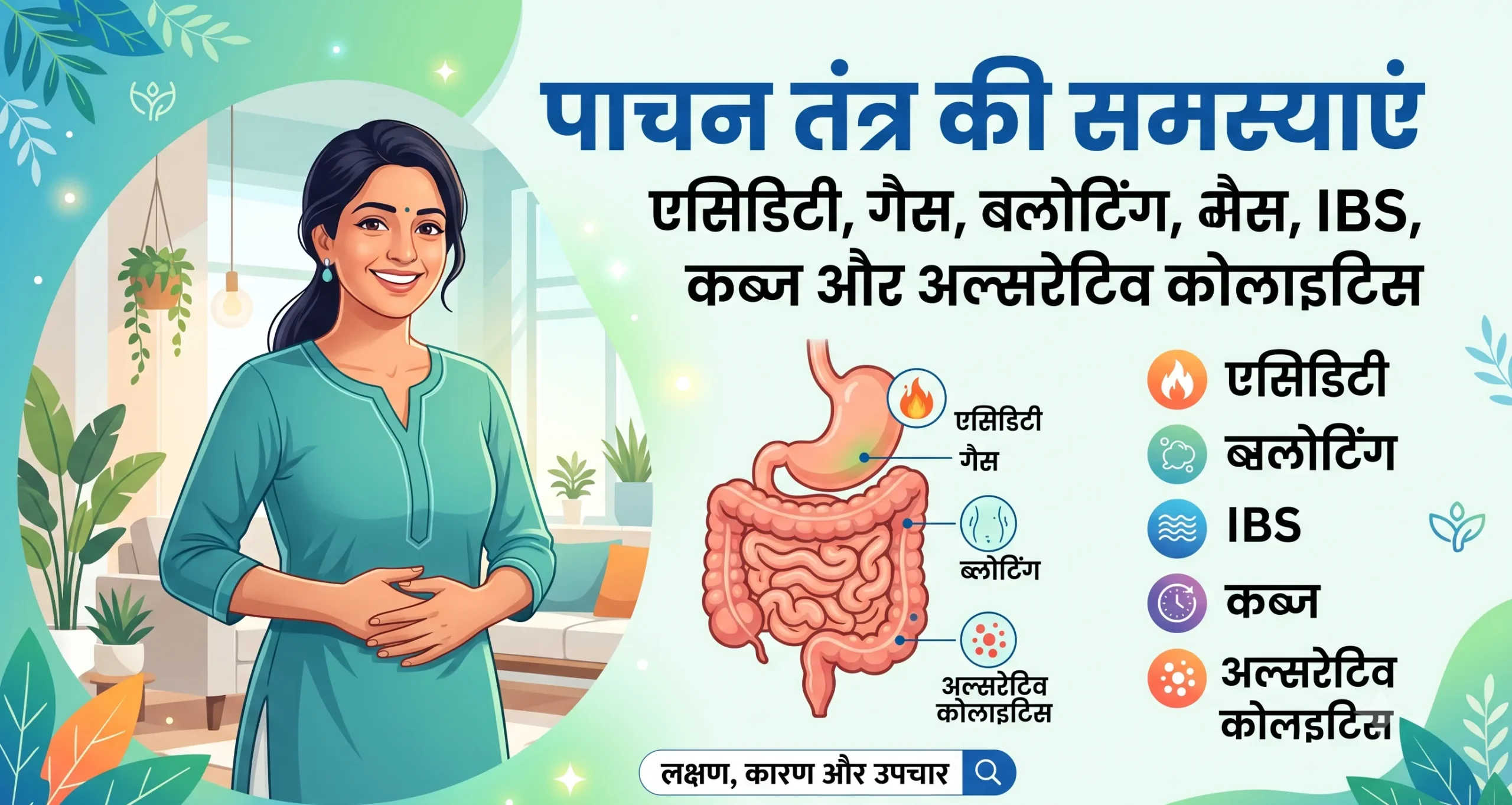
Digestive System Issues: A Comprehensive Guide to Acidity, Gas, Bloating, IBS, Constipation, and Ulcerative Colitis
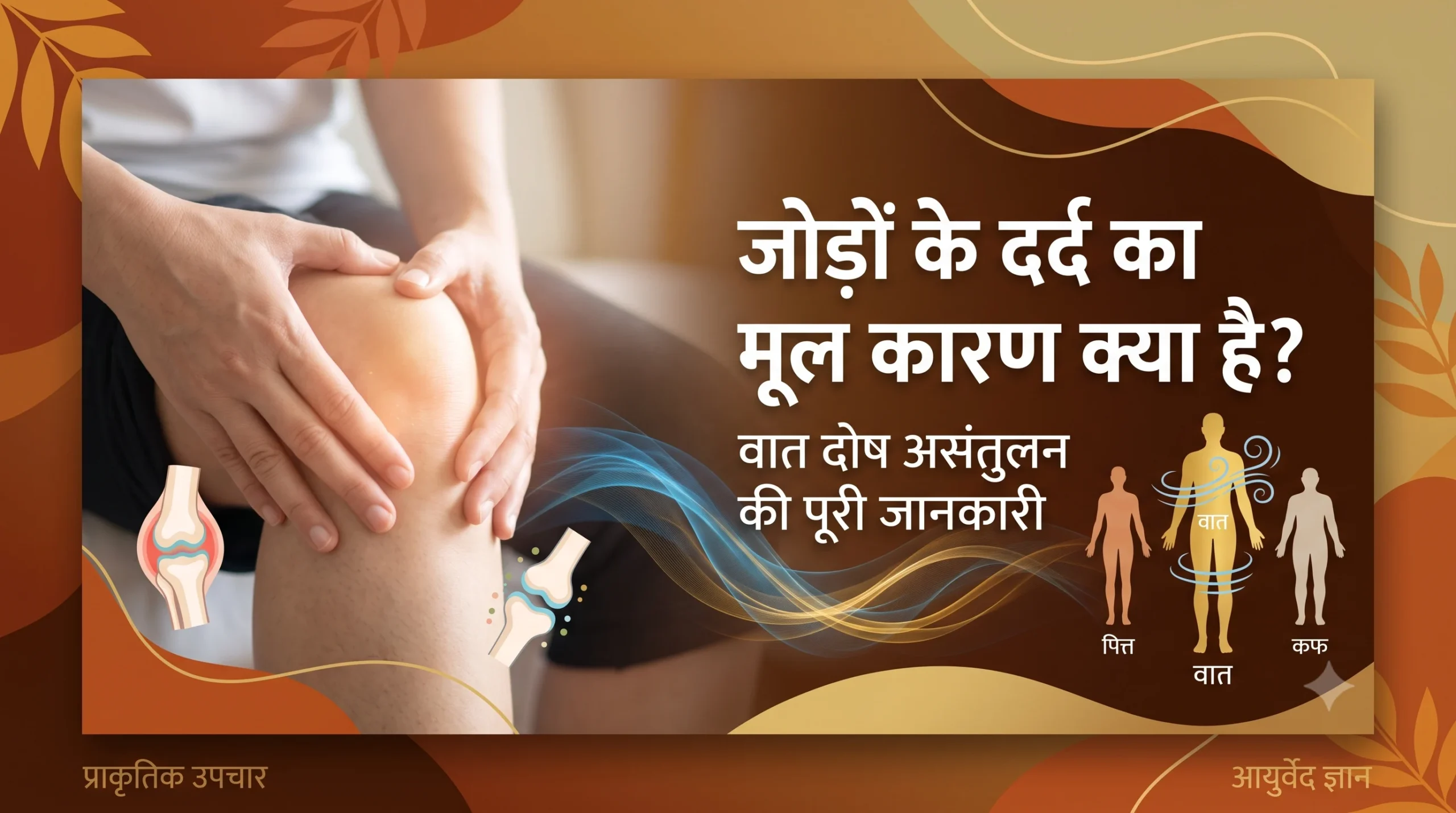
What is the Root Cause of Joint Pain? Complete Guide to Vata Dosha Imbalance
भारत में हर तीसरा वयस्क किसी न किसी रूप में जोड़ों के दर्द से जूझ रहा है — चाहे वह घुटनों की जकड़न हो, कमर से पैर तक फैलने वाला दर्द हो, या अचानक उठने वाली सूजन। आधुनिक चिकित्सा इन्हें अलग-अलग बीमारियों के रूप में देखती है — ऑस्टियोआर्थराइटिस, रुमेटाइड आर्थराइटिस, गाउट, सायटिका या स्पॉन्डिलाइटिस। लेकिन आयुर्वेद इन सभी स्थितियों की जड़ में एक साझा कारण देखता है: वात दोष का असंतुलन। ⚠️ महत्वपूर्ण सूचना: यह लेख केवल सामान्य जानकारी और शैक्षणिक उद्देश्य के लिए है। यह किसी योग्य चिकित्सक की सलाह, निदान या उपचार का विकल्प नहीं है। जोड़ों के दर्द से जुड़ी किसी भी गंभीर या लगातार समस्या के लिए कृपया पंजीकृत आयुर्वेदिक वैद्य या ऑर्थोपेडिक विशेषज्ञ से परामर्श अवश्य लें। वात दोष क्या है और यह जोड़ों को कैसे प्रभावित करता है? आयुर्वेद के अनुसार शरीर तीन दोषों — वात, पित्त और कफ — के संतुलन से स्वस्थ रहता है। इनमें वात दोष, वायु और आकाश तत्वों से बना है, और यह शरीर में गति, तंत्रिका तंत्र, तथा जोड़ों की चिकनाहट (स्नेहन) को नियंत्रित करता है। जब वात असंतुलित होकर बढ़ जाता है (वात प्रकोप), तो यह सबसे पहले शरीर के खाली स्थानों — जोड़ों, हड्डियों और मांसपेशियों की संधियों — में जमा होता है। इससे जोड़ों में रूखापन (ड्राइनेस), कड़ापन, चरमराहट (क्रेपिटस) और दर्द उत्पन्न होता है। यही कारण है कि अधिकतर जोड़ों की समस्याएं ठंड के मौसम में, सुबह के समय, या शरीर में रूखापन बढ़ने पर अधिक तीव्र हो जाती हैं — क्योंकि यह वात का स्वाभाविक स्वभाव है। वात प्रकोप के सामान्य लक्षण जोड़ों के दर्द के पीछे वात असंतुलन के मुख्य कारण 1. आहार संबंधी कारण अत्यधिक रूखा, ठंडा, या बासी भोजन, कच्ची सब्जियों का अधिक सेवन, और अनियमित भोजन समय वात को बढ़ाते हैं। कुछ लोगों में टमाटर, बैंगन जैसी नाइटशेड सब्जियां भी संवेदनशीलता के अनुसार जोड़ों की सूजन को ट्रिगर कर सकती हैं, हालांकि इस पर वैज्ञानिक शोध सीमित है। 2. जीवनशैली संबंधी कारण देर रात तक जागना, अत्यधिक शारीरिक श्रम या इसके विपरीत पूर्ण निष्क्रियता, तनाव, और अनियमित दिनचर्या — ये सभी वात दोष को असंतुलित करने वाले प्रमुख कारक हैं। 3. आयु और स्वाभाविक चक्र आयुर्वेद के अनुसार वात दोष स्वाभाविक रूप से जीवन के तीसरे चरण (वृद्धावस्था) में प्रबल होता है। यही कारण है कि उम्र बढ़ने के साथ जोड़ों की समस्याएं अधिक सामान्य हो जाती हैं। 4. मौसमी प्रभाव मानसून के बाद और सर्दियों का मौसम — जब वातावरण में रूखापन और ठंडक बढ़ती है — वात प्रकोप के लिए सबसे संवेदनशील समय माना जाता है। अलग-अलग जोड़ों की समस्याओं में वात की भूमिका नीचे दी गई प्रत्येक स्थिति की जड़ में वात असंतुलन किसी न किसी रूप में सक्रिय रहता है। इन पर विस्तृत जानकारी के लिए हमारे संबंधित गाइड्स पढ़ें (जल्द प्रकाशित): स्थिति वात से संबंध प्रमुख लक्षण ऑस्टियोआर्थराइटिस कार्टिलेज में रूखापन बढ़ना सुबह घुटनों में जकड़न रुमेटाइड आर्थराइटिस वात-कफ संयुक्त असंतुलन उंगलियों में सूजन व दर्द गाउट वात-पित्त असंतुलन से यूरिक एसिड वृद्धि अचानक तीव्र दर्द व सूजन सायटिका वात का तंत्रिका मार्ग में प्रकोप कमर से पैर तक दर्द स्पॉन्डिलाइटिस ग्रीवा व रीढ़ में वात का जमाव गर्दन व पीठ में अकड़न वात-प्रधान जोड़ों के दर्द के लिए आयुर्वेदिक समाधान स्नेहन (तेल चिकित्सा) वात को शांत करने का सबसे प्रभावी तरीका है नियमित तेल मालिश। महानारायण तेल पारंपरिक रूप से जोड़ों और मांसपेशियों के दर्द में उपयोग किया जाता रहा है, क्योंकि यह वात-शामक जड़ी-बूटियों से युक्त होता है। शल्लकी (बोसवेलिया) शल्लकी को आयुर्वेद में जोड़ों की सूजन कम करने वाली जड़ी-बूटी माना गया है। कई पारंपरिक फॉर्मूलेशन में इसे कैप्सूल के रूप में उपयोग किया जाता है। आहार में बदलाव गर्म, पका हुआ, और स्निग्ध (हल्का चिकनाईयुक्त) भोजन वात को संतुलित रखने में सहायक माना जाता है। ठंडे, रूखे और बासी भोजन से परहेज़ करने की सलाह दी जाती है। दिनचर्या (दिनचर्या और ऋतुचर्या) नियमित समय पर सोना-जागना, हल्का व्यायाम, और तेल मालिश को दिनचर्या का हिस्सा बनाना वात संतुलन के लिए आयुर्वेद में आधारभूत माना गया है। ⚠️ किसी भी जड़ी-बूटी, तेल या सप्लीमेंट को शुरू करने से पहले, विशेषकर यदि आप पहले से कोई दवा ले रहे हैं या गर्भवती/स्तनपान करा रही हैं, तो कृपया योग्य वैद्य से परामर्श करें। स्व-चिकित्सा से बचें। अक्सर पूछे जाने वाले प्रश्न (FAQ) प्रश्न: वात दोष बढ़ने से जोड़ों में दर्द क्यों होता है? उत्तर: वात वायु तत्व से बना है और स्वभाव से रूखा होता है। जब यह असंतुलित होकर बढ़ता है, तो जोड़ों में मौजूद प्राकृतिक चिकनाहट कम हो जाती है, जिससे रूखापन, चरमराहट और दर्द उत्पन्न होता है। प्रश्न: वात प्रकोप को कैसे पहचानें? उत्तर: सुबह जोड़ों में अकड़न, ठंड में दर्द का बढ़ना, जोड़ों से आवाज़ आना, और बेचैनी जैसी नींद की समस्याएं वात प्रकोप के सामान्य संकेत हैं। प्रश्न: क्या सभी प्रकार के जोड़ों के दर्द वात दोष से जुड़े होते हैं? उत्तर: आयुर्वेद में अधिकतर जोड़ों की समस्याओं में वात की मुख्य भूमिका मानी जाती है, लेकिन गाउट और रुमेटाइड आर्थराइटिस जैसी स्थितियों में पित्त और कफ दोष भी सहभागी हो सकते हैं। सटीक निदान के लिए वैद्य से परामर्श आवश्यक है। प्रश्न: वात संतुलित करने के लिए सबसे अच्छा समय क्या है? उत्तर: आयुर्वेद के अनुसार दिन का अंतिम प्रहर (शाम/रात) और वर्षा के बाद का मौसम वात प्रकोप के लिए सबसे संवेदनशील होता है, इसलिए इस समय विशेष सावधानी बरतनी चाहिए। प्रश्न: क्या केवल आयुर्वेदिक उपचार से जोड़ों का दर्द ठीक हो सकता है? उत्तर: आयुर्वेदिक उपाय लक्षणों को प्रबंधित करने और दीर्घकालिक संतुलन बनाने में सहायक हो सकते हैं, परंतु गंभीर या पुरानी स्थितियों में आधुनिक चिकित्सा जांच व उपचार के साथ समन्वय में इन्हें अपनाना सबसे सुरक्षित तरीका है। लेखक के बारे में वैद्य ध्यान प्रकाश त्रिपाठी, आयुर्वेदाचार्य (BAMS), पिछले 20 वर्षों से वात-प्रधान रोगों — विशेषकर संधिवात (जोड़ों के रोग) — के निदान और पारंपरिक प्रबंधन पर कार्यरत हैं। उन्होंने कई आयुर्वेदिक स्वास्थ्य संस्थानों में परामर्शदाता के रूप में सेवाएं दी हैं और नियमित रूप से जन-स्वास्थ्य जागरूकता हेतु लेखन करते हैं। यह लेख सामान्य जानकारी हेतु है; व्यक्तिगत उपचार हेतु कृपया प्रत्यक्ष परामर्श लें।
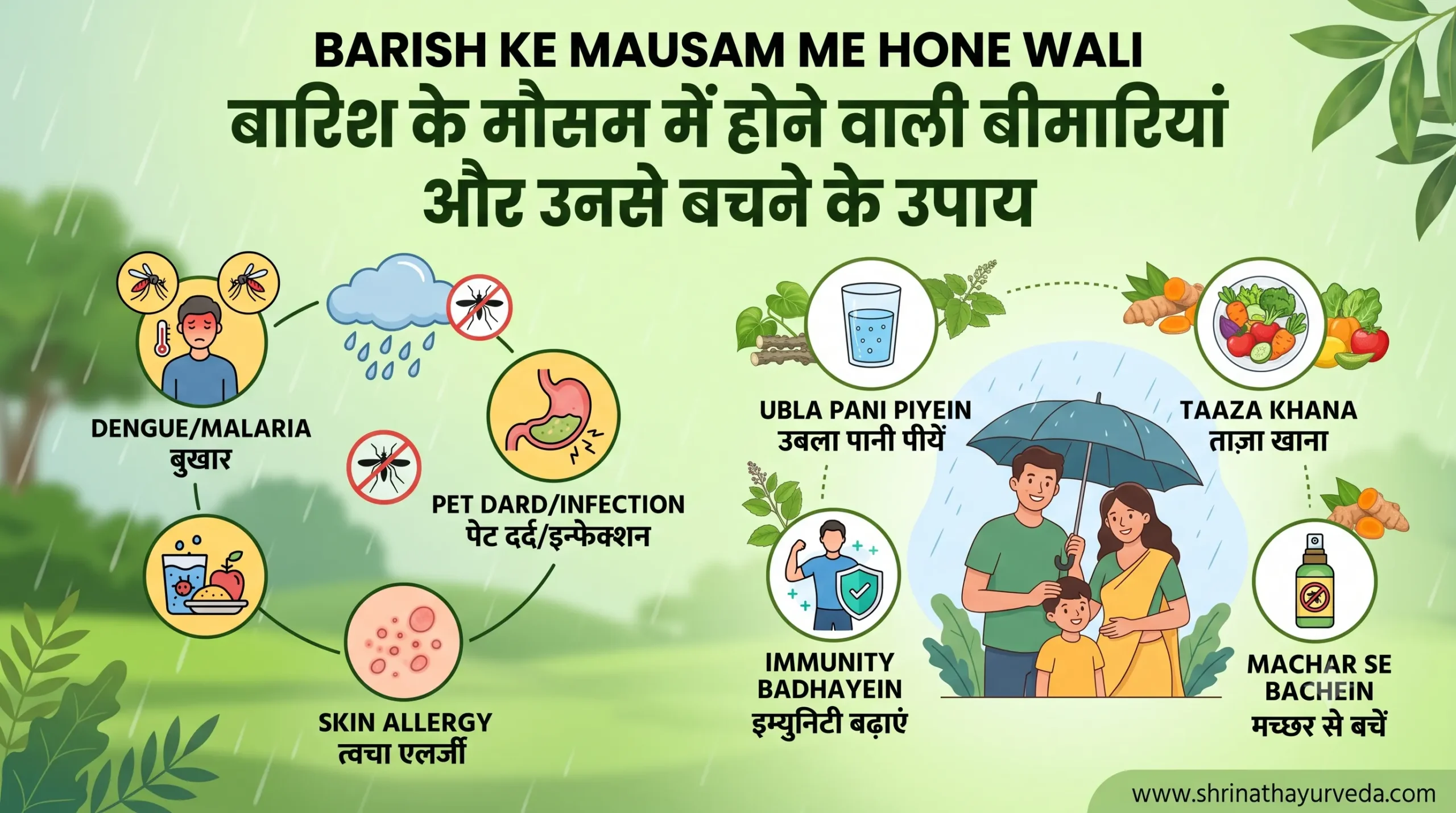
Common Monsoon Diseases: Symptoms, Causes, and Effective Prevention Tips
बारिश का मौसम गर्मी से राहत तो देता है, लेकिन अपने साथ कई बारिश में होने वाली बीमारियां (barish me hone wali bimariyan) भी लेकर आता है। जलभराव, नमी और दूषित पानी की वजह से इस मौसम में वायरल फीवर, डेंगू, टाइफाइड, पेट से जुड़ी समस्याएं और स्किन इन्फेक्शन तेज़ी से फैलते हैं। यदि समय रहते सावधानी न बरती जाए तो barsat me hone wali bimariyan गंभीर रूप ले सकती हैं। इस लेख में आयुर्वेदाचार्य वैद्य ध्यान प्रकाश त्रिपाठी अपने वर्षों के क्लीनिकल अनुभव के आधार पर बता रहे हैं कि barish ke mausam me kaun si bimari hoti hai, इनके लक्षण क्या हैं और barish ki bimariyon se bachne ke upay क्या हैं — ताकि आप और आपका परिवार इस मानसून पूरी तरह सुरक्षित रहें। बारिश के मौसम में बीमारियां ज़्यादा क्यों फैलती हैं? मानसून के दौरान वातावरण में नमी बढ़ने से बैक्टीरिया, वायरस और फंगस तेज़ी से पनपते हैं। जलभराव वाली जगहों पर मच्छरों का प्रजनन बढ़ जाता है, और सड़क किनारे का खाना व दूषित पानी पेट संबंधी रोगों की मुख्य वजह बनते हैं। आयुर्वेद के अनुसार भी वर्षा ऋतु में पाचन अग्नि (जठराग्नि) कमज़ोर हो जाती है, जिससे शरीर की रोग प्रतिरोधक क्षमता घट जाती है — यही कारण है कि इस मौसम में सेहत का विशेष ध्यान रखना ज़रूरी हो जाता है। बारिश के मौसम में कौन सी बीमारी होती है? (Monsoon Diseases in Hindi) नीचे उन प्रमुख rainy season diseases and prevention in hindi की सूची दी गई है, जो हर साल जुलाई-अगस्त में सबसे ज़्यादा देखी जाती हैं। 1. वायरल फीवर (Monsoon me Viral Fever ke Lakshan) बारिश में सबसे आम समस्या वायरल बुखार है। लक्षण: barish me viral fever se kaise bache: 2. डेंगू और मलेरिया — मच्छरों से होने वाली बीमारियां बारिश के पानी में जमा गंदा पानी मच्छरों के लिए प्रजनन स्थल बन जाता है, जिससे डेंगू और मलेरिया का खतरा बढ़ जाता है। लक्षण: तेज़ बुखार, शरीर पर लाल चकत्ते, जोड़ों में दर्द, प्लेटलेट्स की कमी, ठंड लगकर बुखार आना। barish me machar se bachne ke upay: 3. टाइफाइड और पेट से जुड़े रोग दूषित पानी और बासी भोजन से टाइफाइड, फूड पॉइज़निंग और गैस्ट्रोएंटेराइटिस जैसी समस्याएं होती हैं। barsat me pet kharab hone ka ilaj (सामान्य सावधानियां): 4. स्किन एलर्जी और फंगल इन्फेक्शन लगातार नमी और गीले कपड़ों के संपर्क में रहने से त्वचा संबंधी समस्याएं बढ़ जाती हैं। barish me skin allergy ka ilaj (देखभाल के तरीके): 5. लेप्टोस्पायरोसिस और जलजनित संक्रमण जलभराव वाले इलाकों में नंगे पैर चलने से यह संक्रमण हो सकता है, खासकर जहां गंदा पानी जमा रहता है। ऐसी जगहों से बचें और घाव या कट लगी त्वचा को गंदे पानी के संपर्क में न आने दें। बरसात के मौसम में सावधानियां (Barsat ke Mausam me Savdhaniya) रोज़मर्रा की ज़िंदगी में अपनाई जाने वाली ये आदतें आपको पूरे मानसून स्वस्थ रखने में मदद करेंगी: आयुर्वेद के अनुसार मानसून में स्वास्थ्य रक्षा आयुर्वेद में वर्षा ऋतु को “विसर्ग काल” का हिस्सा माना गया है, जब शरीर की पाचन शक्ति स्वाभाविक रूप से कमजोर होती है। ऐसे में हल्का, ताज़ा पका हुआ भोजन, गुनगुना पानी और दिनचर्या में नियमितता रखना अत्यंत लाभकारी है। पुराने, बासी भोजन और ज़्यादा ठंडी चीज़ों से परहेज़ करने की सलाह दी जाती है। किसी भी पुरानी बीमारी या लगातार लक्षण की स्थिति में स्वयं औषधि लेने के बजाय किसी योग्य चिकित्सक से परामर्श लेना ही उचित है। निष्कर्ष बारिश का मौसम सुहावना ज़रूर होता है, लेकिन ज़रा सी लापरवाही barish me hone wali bimariyan को न्योता दे सकती है। साफ-सफाई, स्वच्छ खानपान और समय पर सावधानी अपनाकर आप वायरल फीवर, डेंगू, टाइफाइड और स्किन इन्फेक्शन जैसी समस्याओं से आसानी से बचे रह सकते हैं। बुखार या किसी भी लक्षण के लंबे समय तक बने रहने पर तुरंत किसी योग्य चिकित्सक से संपर्क करें। (FAQs) Q1. बारिश के मौसम में सबसे ज़्यादा कौन सी बीमारी होती है? बारिश के मौसम में वायरल फीवर, डेंगू, मलेरिया, टाइफाइड और स्किन एलर्जी सबसे आम बीमारियां हैं। Q2. बारिश में भीगने के बाद बीमार होने से कैसे बचें? भीगने के तुरंत बाद कपड़े बदलें, शरीर को अच्छी तरह सुखाएं और गुनगुना पानी या काढ़ा पिएं। Q3. क्या बारिश का पानी पीना सुरक्षित है? नहीं, बारिश में दूषित पानी से बीमारियों का खतरा बढ़ जाता है — हमेशा उबला हुआ या फिल्टर किया पानी ही पिएं। Q4. बच्चों को मानसून की बीमारियों से कैसे बचाएं? बच्चों को साफ-सुथरा रखें, मच्छरदानी का इस्तेमाल करें, हाथ धोने की आदत डालें और बाहर का खाना न दें। About Author वैद्य ध्यान प्रकाश त्रिपाठी एक अनुभवी आयुर्वेदाचार्य हैं, जो वर्षों से मौसमी बीमारियों, इम्यूनिटी और प्राकृतिक चिकित्सा के क्षेत्र में रोगियों का उपचार और मार्गदर्शन करते आ रहे हैं। उनका लेखन क्लीनिकल अनुभव और पारंपरिक आयुर्वेदिक ज्ञान पर आधारित होता है। डिस्क्लेमर: यह लेख केवल सामान्य जानकारी और जागरूकता के उद्देश्य से है। यह किसी चिकित्सकीय सलाह का विकल्प नहीं है। किसी भी बीमारी के लक्षण दिखने पर कृपया योग्य चिकित्सक से संपर्क करें और बिना सलाह के कोई भी दवा स्वयं न लें।

Ayurvedic Panchakarma, Diet & Lifestyle: The 3 Pillars of Deep Healing
45+ Years of Experience · Written by Vaidya Dhyan Prakash Tripathi (Ayurvedacharya) This article is written from my 45 years of clinical experience and knowledge drawn from classical Ayurvedic texts (Charaka Samhita, Sushruta Samhita). It is not a substitute for professional medical advice — please consult a qualified Vaidya for your specific health condition. In my 45 years as a practicing Vaidya, I have seen thousands of patients — and one truth holds again and again: until the root cause is healed, any treatment only offers temporary relief. In today’s world, people are constantly dealing with fatigue, bloating, acidity, and chronic illnesses. Without realizing it, we accumulate toxins in our bodies every day, leaving our entire system sluggish. Modern science calls these “lifestyle disorders.” Ayurveda understood this thousands of years ago — and it also offered the solution, in the form of three strong pillars: Today, drawing on my clinical experience, I will walk you through these three pillars so you can understand how true healing actually works. 1. Ayurvedic Panchakarma: A Complete Reset for the Body In my clinical practice, Panchakarma is the deepest and most effective detox treatment I have come across. It is not a superficial cleanse — it reaches the body’s most subtle cells and tissues, removes deeply lodged old toxins, known in Ayurveda as “Ama,” and restores the natural balance of the three Doshas — Vata, Pitta, and Kapha. Panchakarma, in Sanskrit, means “Five Actions.” It consists of five therapeutic procedures: Vamana (Therapeutic Emesis) When Kapha Dosha becomes excessive in the body — as seen in chronic cough, asthma, or certain skin conditions — controlled, medicated vomiting is induced to expel the excess Kapha toxins. Virechana (Medicated Purgation) This is the most effective process for cleansing the liver and gallbladder, and for removing Pitta-related toxins such as acidity, skin rashes, and hyperacidity. Basti (Medicated Enema) In my practice, I’ve seen exactly why this is called “the Mother of all Treatments.” It is remarkably effective at treating chronic Vata disorders — such as joint pain, constipation, and neurological issues — at their root. Nasya (Nasal Administration) Medicated oils are administered through the nostrils, significantly improving respiratory tract, sinus, and brain health. I have seen good results with this in patients suffering from migraines and sinusitis. Raktamokshana (Blood Purification) This is a traditional bloodletting method. Today, we often perform it through safer, modern alternatives, always under qualified supervision. A Vaidya’s Advice: Panchakarma should never be self-administered. It must be carried out under the supervision of a qualified, Ayurvedacharya, since every procedure requires proper assessment and correct dosage. In my experience, regular and correctly-administered Panchakarma brings significant relief from chronic diseases, improves metabolism, and gives the body a genuine “reset” that medication alone cannot achieve. 2. Ayurvedic Ahara (Diet): Awaken Your Digestive Fire “You are not just what you eat — you are what you digest.” This is a principle I learned from my own guru, and it holds just as true today as it did centuries ago. In Ayurveda, food is regarded as the first medicine — but there is no generic, “one-size-fits-all” diet chart here. Every individual’s Prakriti (body constitution) is different. Someone may be Vata-dominant, another Pitta, another Kapha — and their diet should be tailored accordingly. Strengthening the Agni Our primary goal is to strengthen your digestive fire, known as Agni, so that food digests properly and new Ama (toxins) doesn’t form. It is precisely when the Agni is weak that undigested food turns into toxins, which later becomes the root of disease. Personalized Nutrition In my clinical practice, I assess each patient’s Prakriti and current health condition to advise them on: This approach is far more effective than generic diet plans, because it is designed specifically for your unique body. 3. Ayurvedic Vihara (Lifestyle): Aligning with Nature Your daily routine — even the smallest habits — has a profound effect on your long-term health. Ayurveda emphasizes two types of routines here: Dinacharya (Daily Routine) Setting a proper, consistent schedule from waking up in the morning to going to sleep at night. This includes: Ritucharya (Seasonal Routine) Adjusting your lifestyle and diet with the changing seasons. For example, cooling foods in summer and warming foods in winter — to help protect against seasonal allergies, infections, and immunity-related issues. In my 45 years of experience, patients who seriously followed Dinacharya and Ritucharya showed noticeably better overall immunity and resilience compared to others. Why These Three Pillars Work Together Panchakarma, Ahara, and Vihara are not three separate treatments. They are three connected parts of a single healing system: Pillar What It Does Result Panchakarma Removes old, accumulated toxins (Ama) A deep reset for the body Ahara Prevents new toxins from forming Strong digestion (Agni) Vihara Aligns the body with nature’s rhythm Long-term balance and immunity Following just one pillar while ignoring the others — such as getting a detox done and then returning to the same unhealthy lifestyle — only produces temporary results. True, lasting healing happens only when all three move forward together. Frequently Asked Questions What precautions should be taken before undergoing Panchakarma? Before Panchakarma, there is a preparatory phase called “Purvakarma,” which includes Snehana (oil massage) and Swedana (steam therapy). This should always be done under the supervision of a qualified Vaidya, after sharing your complete health history. Does following an Ayurvedic diet mean giving up everything? No. Ayurvedic Ahara is not a restrictive diet — it is personalized guidance based on your Prakriti. The goal is to support your Agni, not to eliminate everything. How long does it take to see results from Panchakarma? This depends on the condition and individual Prakriti. Some patients feel a difference after just one session, while chronic conditions require multiple sessions along with consistent Ahara-Vihara follow-up. Is Panchakarma safe for everyone? When performed under the supervision of a qualified, Ayurvedacharya, Panchakarma is generally safe. However, procedures are modified or avoided for pregnancy, certain chronic conditions, or weaker patients — which is why a proper consultation
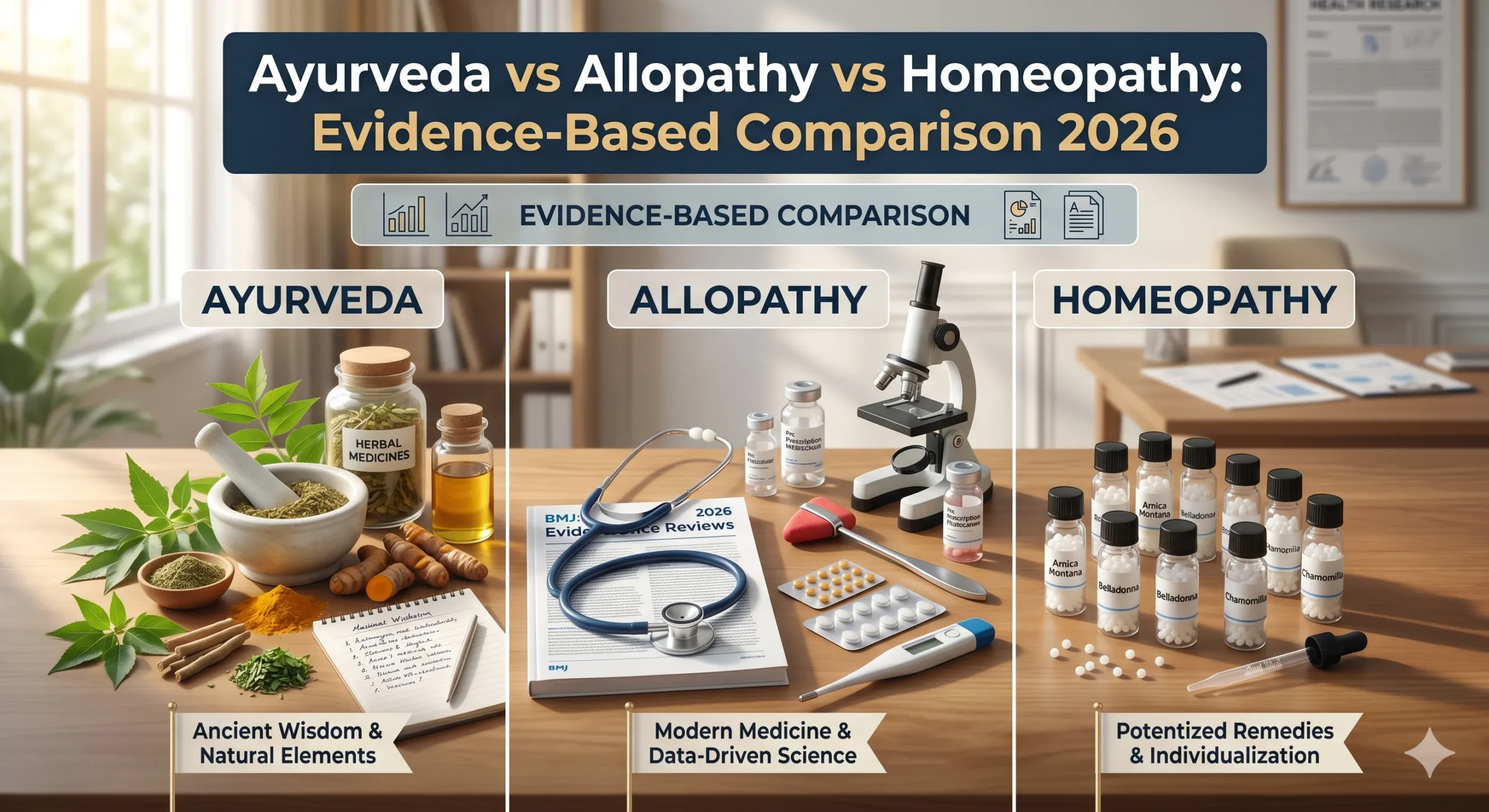
Ayurveda vs Allopathy vs Homeopathy: Evidence-Based Comparison 2026 | Shri Nath Ayurveda
Benefits of Ayurvedic Medicine Over Allopathy & Homeopathy | 2024 Research Evidence-Based Guide · 2024–2026 Why Ayurveda Stands Apart From Allopathy & Homeopathy A research-backed, honest comparison — plus what COVID-19 trials taught us about India’s 5,000-year-old healing system. 🌿 Medically Reviewed 📊 Latest Global Research ⏱ 8 min read 📅 Updated June 2026 𝓐 Written by Ayurveda Research Desk · Reviewed by integrative medicine practitioners This content is based on peer-reviewed studies, WHO reports, government-verified data, and published clinical trials. It does not substitute professional medical advice. Choosing a healthcare system is one of the most personal decisions you can make. Across India and increasingly worldwide, millions are asking a fundamental question: should I trust the ancient wisdom of Ayurveda, the precision of modern allopathy, or the energy-based principles of homeopathy? This guide doesn’t preach — it presents facts. We’ve pulled from clinical trials, WHO strategy documents, market surveys, and published COVID-19 studies to give you the most current, evidence-grounded comparison available in 2026. “The principles and practice of Ayurveda are especially relevant in the context of the global shift toward non-communicable diseases, largely driven by modifiable risk factors such as unhealthy diets, physical inactivity, and stress.” — UN News / WHO Traditional Medicine Expert, December 2025 Global Ayurveda Boom: What the Numbers Say The market tells a story that neither culture nor tradition alone can explain. Consumer confidence in Ayurveda has reached historic highs: $20B+ Global Ayurveda market in 2025 (Grand View Research) 27.1% CAGR projected through 2034 — one of the fastest-growing health sectors 92 Countries importing Indian Ayurvedic formulations as of 2023 40%+ Consumers cite minimal side effects as the #1 reason for choosing Ayurveda North America led the Ayurveda market in 2024, holding over 37.8% market share with revenues of USD 6.9 billion, driven by rising awareness of natural healthcare solutions. According to WHO’s Traditional Medicine Strategy 2025, more than 170 countries now recognize the use of traditional medicine, and Ayurvedic formulations account for 22% of exported Indian traditional medicines. Head-to-Head: Ayurveda vs Allopathy vs Homeopathy Based on the framework in the image above and supported by peer-reviewed evidence, here is how the three systems compare across the dimensions that matter most to patients: Feature 🌿 Ayurveda 💊 Allopathy 🔵 Homeopathy Core Philosophy Holistic balance of body, mind & spirit via Dosha equilibrium Symptom-focused; treats the disease or its presentation Like cures like; uses highly diluted substances Approach Root-cause elimination — identifies & removes the fundamental cause Symptom suppression using chemical agents Energetic stimulation at a subtle level Treatment Personalized, natural: herbs, diet, lifestyle & Panchakarma Standardized pharmaceutical drugs & surgery Individualized potentized dilutions Side Effects Minimal to none when prescribed by a qualified practitioner Common short-term and long-term effects due to chemical agents Generally considered safe; rare “aggravations” possible Scientific Backing Growing clinical evidence; 2024 Springer review confirms efficacy in arthritis, diabetes, anxiety, hypertension Extensive RCT database; gold standard for acute emergencies Weak clinical evidence; most meta-analyses show no effect beyond placebo Preventive Care Built-in: Dinacharya (daily routine), Ritucharya (seasonal regimen), Rasayana (rejuvenation) Limited; largely reactive system Constitutional treatment offers some prevention Cancer Complementary Care Emerging evidence: phytochemicals modulate NF-κB, MAPK/ERK, PI3K/Akt pathways Standard oncology treatments (chemo, radiation, immunotherapy) No credible evidence for cancer applications Chronic Disease Addresses root lifestyle causes; strong for metabolic, stress-related conditions Manages but rarely reverses chronic conditions Anecdotal evidence; limited peer-reviewed trials Personalization Prakriti-based genomic matching now validated in Ayurgenomics research (2024) Moving toward precision medicine but largely population-based Individualized but based on unverified energy principles Important note: Ayurveda and allopathy are not mutually exclusive. India’s government, WHO, and leading institutions now actively promote integrative healthcare — using the best of both systems. The goal is not to replace allopathy in emergencies but to prevent chronic disease and support holistic recovery. Where Ayurveda Genuinely Leads 1. Treating the Root, Not the Symptom Clinical studies have demonstrated the effectiveness of Ayurveda in managing various conditions, including arthritis, diabetes, hypertension, and anxiety. Unlike allopathy, which commonly prescribes lifelong medication to suppress these conditions, Ayurveda aims to correct the imbalance that caused them — through personalised diet, herbal protocols, and lifestyle changes that address the Dosha disruption at the source. 2. Personalization Backed by Genomics Recent developments in Ayurgenomics have revealed correlations between Prakriti types and genetic, transcriptomic, and metabolic profiles, suggesting a potential framework for personalized integrative care. This is something neither conventional allopathy nor homeopathy currently offers at this level of biological depth. 3. Holistic Cancer Support Numerous classical Ayurvedic formulations and botanicals have demonstrated therapeutic potential in cancer, exhibiting anti-proliferative, pro-apoptotic, anti-inflammatory, and anti-metastatic activities. Modern oncological research has begun to validate these traditional remedies through preclinical studies, clinical trials, and reverse pharmacology approaches. 4. WHO Recognition & Global Policy Alignment The WHO’s Global Traditional Medicine 2025–2034 strategy aims to strengthen the evidence base for traditional medicine, and the principles and practice of Ayurveda are especially relevant in the context of the global shift toward non-communicable diseases. The COVID-19 Test: Ayurveda’s Defining Moment When conventional medicine scrambled during the pandemic — with hydroxychloroquine and Remdesivir both failing to show clear protective efficacy — Ayurveda stepped into the spotlight. Several peer-reviewed trials evaluated Ayurvedic protocols against COVID-19 with notable results. Clinical Evidence Ayurveda & COVID-19: Key Findings Giloy (Tinospora cordifolia), Ashwagandha (Withania somnifera) & Tulsi (Ocimum sanctum) were combined in ICMR-approved randomised controlled trials (CTRI/2020/05/025273) for COVID-19 patients, administered twice daily for 7 days alongside Swasari Ras and Anu Taila nasal drops. Community-based participatory research found suggestions of Ayurveda’s advantage in improved symptom relief and clinical recovery within 7 days for mild-to-moderate COVID-19 patients. Molecular docking studies identified six phytochemicals from Ashwagandha, Giloy, and Tulsi with predicted inhibition of SARS-CoV-2 main protease (Mpro), with drug-likeness and ADMET profiles suggesting safety and no toxicity. The holistic Ayurveda protocol for treating COVID-19 patients was found to be safe, acceptable, and effective in a retrospective study — suggesting possible integration of Ayurvedic treatment in combating such diseases. Post-COVID care trials tested
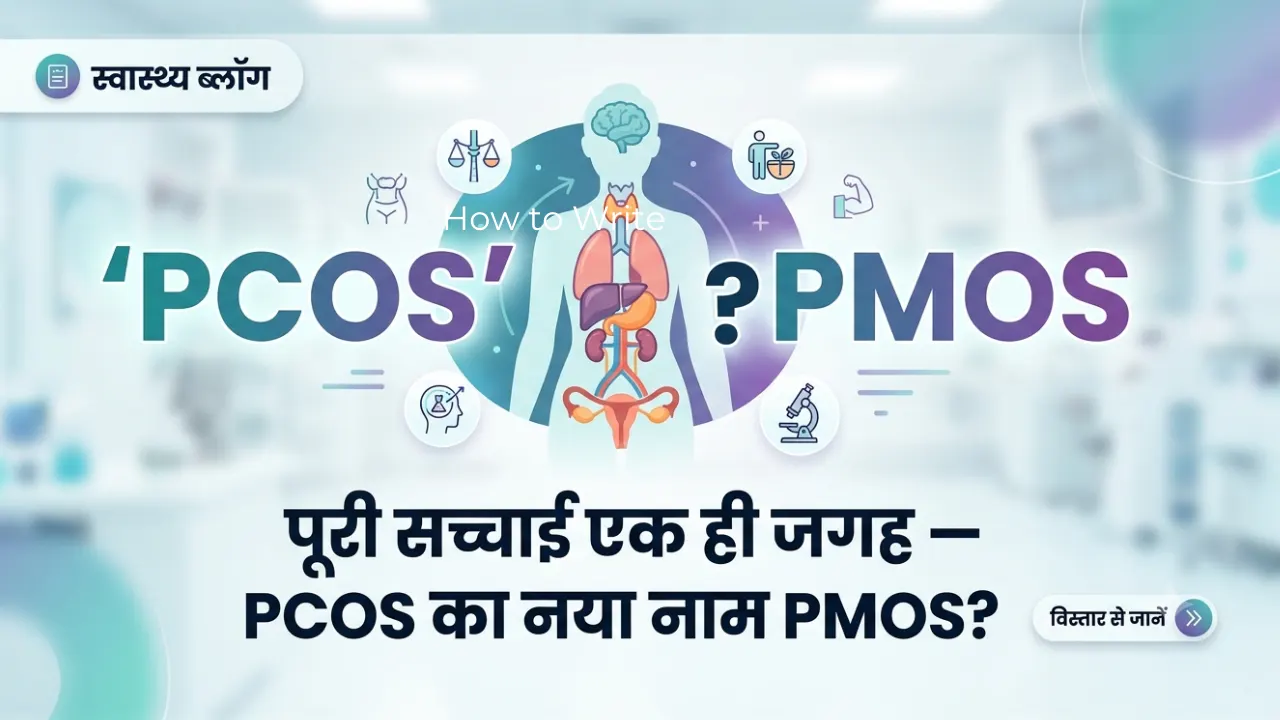
PCOS का नया नाम PMOS क्या है? — जानिए पूरी सच्चाई एक ही जगह
दशकों से PCOS (Polycystic Ovary Syndrome) एक ऐसा नाम था जो इस बीमारी की पूरी तस्वीर नहीं दिखाता था। “Polycystic” शब्द सुनकर लोगों को लगता था कि अंडाशय (ovaries) में सिर्फ सिस्ट यानी गाँठें हैं — जबकि यह सच नहीं है।